
Car & Caravan
Find vehicle accessories, caravan equipment, towing supplies and automotive tools. Check model fit and electrical requirements.


-
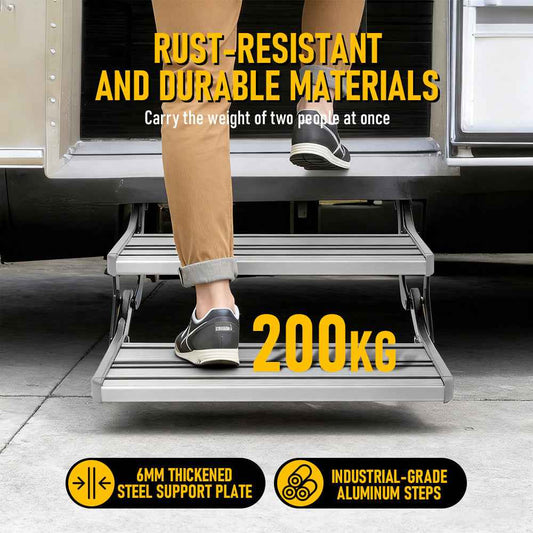
Foldable Double Caravan Step, Aluminium Platform
Regular price $163.63 AUDRegular price -
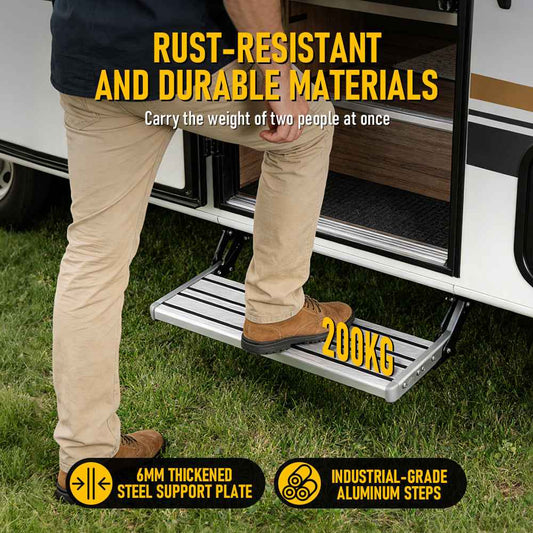
Folding Aluminium Caravan Step, 58x54x17cm
Regular price $90.00 AUDRegular price -
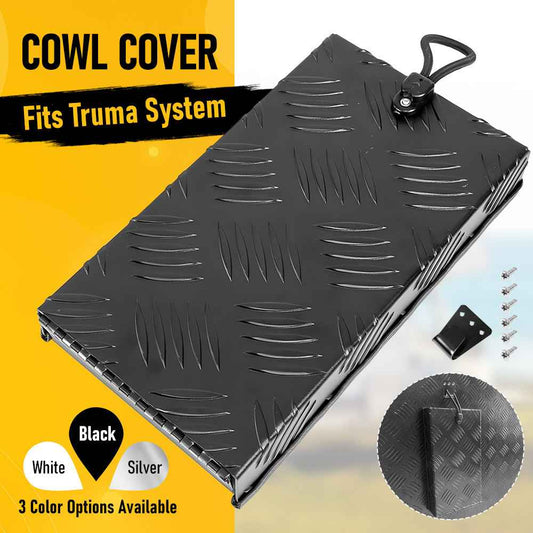
Truma Cowl Cover Black Universal Powder-Coated Aluminum External Flue Vent Spraying Console Replacement Part Fits Truma Water Heater 27x15x4cm
Regular price $49.99 AUDRegular price -
HEMINGSON 2000A Peak Battery Jump Starter Portable with 4 Modes LED Lights
Regular price $94.99 AUDRegular price$109.00 AUDSale price $94.99 AUDSale -
1200lb Manual Hand Winch Steel Wire - Boat Jet Ski Marine Trailer Crank 500KG
Regular price $132.99 AUDRegular price$109.00 AUDSale price $132.99 AUD -
Social Hike 428L Car Rooftop Storage Carrier - Soft-Shell Waterproof Roof Bag
Regular price $213.99 AUDRegular price -
Seamanship Full Outboard Boat Motor Engine Cover Dust Rain Protection 100hp -150hp 600D Black
Regular price $50.99 AUDRegular price$77.99 AUDSale price $50.99 AUDSale -
Caravan Privacy Screen Roll Out Awning 2.1x1.8M Sun Shade Pop Top End Wall Grey
Regular price $47.99 AUDRegular price$77.99 AUDSale price $47.99 AUDSale -
Caravan Privacy Screen Roll Out Awning 1.95 x 2.2M Sun Shade End Wall Side Grey
Regular price $55.99 AUDRegular price$76.99 AUDSale price $55.99 AUDSale -
2 in 1 Car Foam Drill (39 pieces)
Regular price $61.99 AUDRegular price -
TP150 TPMS Reset Tool 2025 WiFi CAN EOBD OBDII
Regular price $439.99 AUDRegular price$459.00 AUDSale price $439.99 AUDSale -
2025 A30M Bluetooth Diagnostic Scanner Global Version
Regular price $379.99 AUDRegular price$396.00 AUDSale price $379.99 AUDSale -
TP508 TPMS Relearn Tool for GM Tire Pressure Reset
Regular price $32.99 AUDRegular price$32.00 AUDSale price $32.99 AUD -
EL-50448 TPMS Reset Tool Relearn Auto Tire Sensor for GM
Regular price $48.99 AUDRegular price$49.00 AUDSale price $48.99 AUDSale -
3.19" Black IPS Dual Dash Cam with 4K+1080P, 5G WiFi, GPS, Night Vision & Free 64GB Card
Regular price $539.99 AUDRegular price$714.95 AUDSale price $539.99 AUDSale -
3-Channel 4K+1080P Dash Cam with 5G WiFi, GPS, and Parking Mode - Black
Regular price $652.99 AUDRegular price$865.95 AUDSale price $652.99 AUDSold out -
12" Black Rear View Mirror Dash Cam with 4K Front and 1080P Rear, GPS, WiFi6
Regular price $524.99 AUDRegular price$695.95 AUDSale price $524.99 AUDSale -
4K Dual Dash Cam Black with 5G WiFi, GPS, Front and Rear, 24H Parking Mode, Free 64GB SD Card
Regular price $369.99 AUDRegular price$489.95 AUDSale price $369.99 AUDSale -


4K Black Dash Cam with 5.8GHz WiFi, GPS, Front & Rear Recording, 24-Hour Parking Mode, 64GB Card
Regular price $369.99 AUDRegular price$489.95 AUDSale price $369.99 AUDSale -


2 Channel 4K Dashcam with 1080P, 5G WiFi, GPS, Parking Monitor, Voice Control, Free 64GB TF Card
Regular price $369.99 AUDRegular price$489.95 AUDSale price $369.99 AUDSale -
3 Channel Dash Cam in Black with WiFi, GPS, 4K+1080P+2.5K, 64GB Card, Parking Mode
Regular price $638.99 AUDRegular price$846.95 AUDSale price $638.99 AUDSold out -
4 Channel 4K Dash Cam with 5G WiFi, GPS, 128GB eMMC, and Hardwire Kit
Regular price $652.99 AUDRegular price$865.95 AUDSale price $652.99 AUDSale -
4K Front and Rear Dash Camera with WiFi GPS and Free 64GB SD Card
Regular price $295.99 AUDRegular price$391.95 AUDSale price $295.99 AUDSale -
4K 3 Channel Dash Cam with 5G WiFi, Front, Rear, and Inside Recording, Free 64GB SD Card
Regular price $539.99 AUDRegular price$714.95 AUDSale price $539.99 AUDSale -
4K Dash Camera with Touch Screen, Black, Front and Rear, 64GB Card Included
Regular price $539.99 AUDRegular price$714.95 AUDSale price $539.99 AUDSale -
Suzuki Swift 2005-2021 Center Central Storage Car Console Seat Armrest Box Durable ABS Armrest Box Replacement Double Layer Black With USB Cable
Regular price $63.99 AUDRegular price$83.00 AUDSale price $63.99 AUDSale -
Universal Auto Paint Stand Panel Tree Paint Rotating Stand Center Post Hang Paint Spray with 4 Wheels and 6 Hooks for Automotive Doors Fenders Bumpers
Regular price $152.99 AUDRegular price$202.00 AUDSale price $152.99 AUDSale -
Truma Cowl Cover Silver Universal Aluminum Checker Plate External Flue Vent Spraying Console Replacement Part Fits Truma Water Heater 27x15x4cm
Regular price $77.99 AUDRegular price$103.00 AUDSale price $77.99 AUDSale -
TPE Bumper Guard Custom Fit Tesla Model Y 2022-2023 Trunk Protector | Ultra-Flexible Cold-Resistant | OEM Design Camping Ready
Regular price $28.99 AUDRegular price$29.00 AUDSale price $28.99 AUDSale -
TPE Car Boot Organiser Australia | No-Sew Stitching Odourless Design | Reusable Velcro for Door/Center Console | Camping/Office Storage Box
Regular price $13.99 AUDRegular price$14.00 AUDSale price $13.99 AUDSale -
Cargo Mat Kia Carnival 2021-2023 Boot Liner Frunk Mat TPE Cargo Liner All Weather TPE Mat Accessories Rear Trunk Mat Water Proof
Regular price $50.99 AUDRegular price$54.00 AUDSale price $50.99 AUDSale -
30 PCS Pull and Press Sleeve Kit 45# Steel Removal Installation Bushes Bearings Tool Kit Bush Removal Insertion Works on Most Cars and LCV HGV Engines
Regular price $123.99 AUDRegular price$138.00 AUDSale price $123.99 AUDSale -
Table Pedestal Telescopic Furniture Leg 46-70cm Height Adjustable Easy Installation Detachable Aluminum Alloy Support for RV Boat Caravan Motorhome
Regular price $120.99 AUDRegular price$134.00 AUDSale price $120.99 AUDSale -
Outer Door Weather Window Rubber Seals Fit for Ford Ranger 2019-2023 Series Moulding Trim Strips Car Modification Accessories Black 4Pcs
Regular price $43.99 AUDRegular price$47.00 AUDSale price $43.99 AUDSold out -
Alko 10in Ratchet Trailer Boat and Caravan Jockey Wheel
Regular price $239.99 AUDRegular price -
Novawinch Jockey Wheel Dust Cover Heavy Duty Oxford Fabric
Regular price $79.99 AUDRegular price





Buying guide
Finding the right car and caravan gear for your vehicle and trips
Vehicle and caravan accessories are only useful when they fit the vehicle they are bought for. Model year, body variant, tow rating and electrical capacity all change what is safe and practical to add, and a part that suits one ute may not suit the next. This guide covers what to confirm before ordering, and where to stop and ask a qualified installer.
Vehicle model and year
Fitment changes between model years and body styles. Confirm exact variant and check that the accessory is listed for it, not a similar model.
Towing and load ratings
Compare towing capacity, ball weight and gross combination mass against what you plan to carry, and stay within the lowest applicable limit.
Electrical demand
Add up the current draw of what you will run, then check alternator, battery and wiring capacity. Have charging work checked by an auto electrician.
Where professional help is needed
Gas, brake, wiring and structural work usually needs a qualified installer. Ask what qualifications your state requires and keep records of the work.
What you’ll find in car and caravan
The range begins with car accessories for everyday driving, then extends to caravan and RV equipment for longer stays and towing and trailer gear for moving loads. Vehicle electronics and power cover charging, lighting and 12 volt needs, while automotive tools and recovery equipment help with maintenance and the unexpected.
- Car Accessories From the boot to the roof, car accessories for organising, carrying and covering gear make the most of the space you have.
- Caravan & RV Accessories Entry steps, awning privacy screens and replacement fittings make van life feel more like home.
- Trailer & Towing Hitch up with confidence using jockey wheels, manual winches and protective covers made for trailers and caravans.
- Vehicle Electronics & Power Stay powered and prepared on the road with dash cameras, jump starters, chargers and battery accessories for the vehicle.
- Automotive Tools & Recovery Jump starters, diagnostic tools and recovery gear that stay in the boot for flat-battery mornings and off-road detours.
Materials, finishes and construction
Vehicle accessories live with sun, dust, salt and vibration, so materials matter more than indoors. Powder-coated steel, stainless fasteners, UV-stable plastics and tough canvas each suit different jobs and parts of a vehicle.
- Powder-coated steel. Steel bars, brackets and storage units hold their shape under load. Powder coating slows rust, though chips need touching up before salt air reaches the metal.
- Stainless steel and aluminium. Stainless fasteners resist corrosion around the coast, while aluminium keeps roof racks and boxes light. Check any stated grade and avoid mixing metals without insulation.
- UV-stable plastics. ABS and polyethylene are used for trim, tanks and storage. Prolonged sun makes cheaper plastics brittle, so choose UV-stabilised material for anything kept outside.
- Canvas and heavy textiles. Awning fabric, seat covers and bags rely on tight weave and treated finishes. Check stated weight or denier, and confirm the fabric suits outdoor use.
Features worth checking
The details that matter most on vehicle and caravan gear decide whether a part fits, carries the load and keeps working after a season of travel. Confirm each on the listing or with the seller.
- Fitment details. Look for model, year and variant in the compatibility notes, and check whether drilling, trimming or removal of factory parts is required.
- Load and weight limits. Every rack, drawer and tow bar carries a stated limit, and the vehicle limit may be lower. Confirm figures and how load is distributed.
- Electrical requirements. Check voltage, current draw, plug type and whether the circuit needs its own fuse. Confirm wiring can carry the load before adding extra lights.
- Weather and dust sealing. Items that live outside benefit from seals and drainage. Check door seals, cable entries and whether the design lets water escape rather than pool.
- Installation requirements. Some parts bolt on in minutes; others need wiring, gas or brake work. Confirm what the job involves and whether an installer is required.
- Storage and access. Drawers, boxes and racks should open fully with the vehicle loaded. Check clearance for tailgates, awning arms and rear-mounted spare wheels.
Care, storage and everyday use
Wash vehicle and caravan gear with fresh water after coastal or dusty trips, then let it dry before closing boxes and awnings. Check straps, shackles and mounting bolts for wear, keep electrical connections clean and dry, and store electronics inside when not in use. Follow the manufacturer instructions for canvas and inspect towing hardware before each trip.